When I was a little girl, my favorite activity was reading. I remember during the summer holidays I would read anywhere between 10-20 books. I loved curling up in my parent’s backyard under our tree with a good book. My mom was and still is an avid reader. She instilled in me a love for reading at a very young age. Weekly trips to the library were a given in our household. Sadly, however, this is not the case for many children today.
The Facts
It is a known fact, that children do experience a significant learning loss when they do not participate in educational activities in the summer months. In September, teachers can spend anywhere between 4 to 6 weeks re-teaching material that students lost or have forgotten during the summer.
This summer slide has cumulative and damaging effects creating a larger gap each year among students. This is especially crucial for those that already struggle with reading. Statistics show that “by the time a struggling reader reaches grade 6, summer reading loss has accumulated to a 2.5 year lag in reading achievement.” This is a huge lag, but it is never too late to close the gap.

My Thoughts and Next Steps
99% of parents think that their child should read over the summer. So why aren’t they reading? If reading was completed over the summer months, we wouldn’t have the summer slide. Students would be achieving at levels that wouldn’t be of concern. This, however, is not the case. Last week, I had a conversation with one of the children I tutor over the school year. I told her that this summer we were going to read at least 4-6 books and she let out of the biggest groan. She told me she hates reading but will read if she has to – if she has to. As educators, we never like hearing that students will do things if they have to. Students should have an intrinsic motivation to do better and to enjoy their learning journey. With this being said, more needs to be done to encourage students to want to read more than they do over the summer. Reading in July and August start at home.

Here are five tips to encourage the young reader in your household:
- Let the child choose what they want to read! Don’t force a child to read something you think they should read. Chances are they won’t enjoy it!
- Take your child to the library – start from a young age and make the trips regularly. Check the library calendar for special events.
- If your child struggles with reading, buy an audio book. Having a child listen to a book is just as effective as having them read it, especially if they have a learning disability.
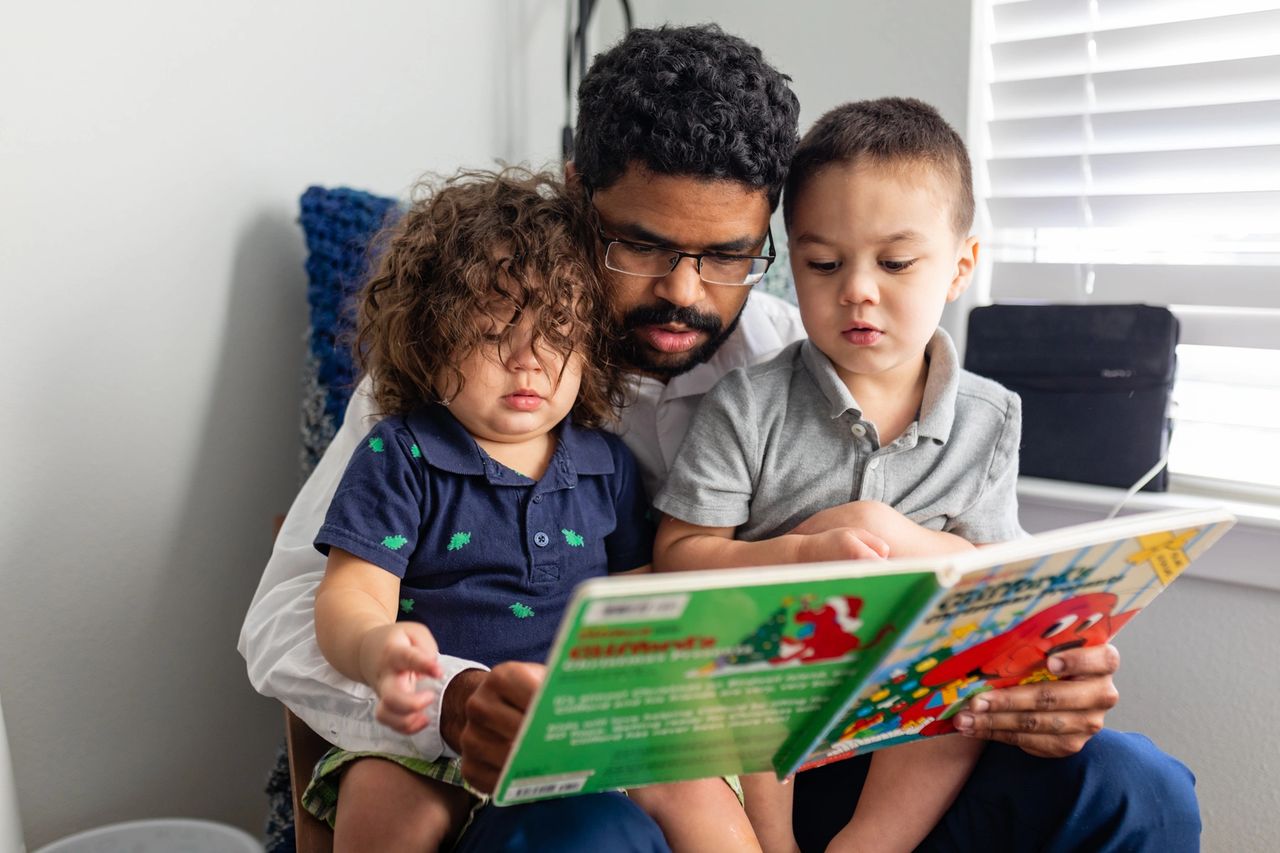
- Set a good example – have your child see you involved in the reading process. Pick up a book, a newspaper, or a magazine. Read together as a family. Make the reading process fun.
- Read aloud together with your child everyday. Let your child read to you and vice versa. Let your child see and hear the connections between sounds and words.
Did You Know?
Reading just 4-5 books over the summer can prevent a decline in a child’s fall reading scores.
Having reading “role-model” parents or a large book collection at home has a greater impact on a child’s reading frequency than does household income.
92% of children say they are more likely to complete a book they chose themselves.
Parents think their children should read on average number of books over the summer, ranging from 17 books for children ages 6-8, to 6 books for 15-17 year olds.
If you have any questions or if you need suggestions at home, feel free to contact me! I can be reached at contact@theprogressivecentre.com.
Happy Reading!
Tara
Share this post: